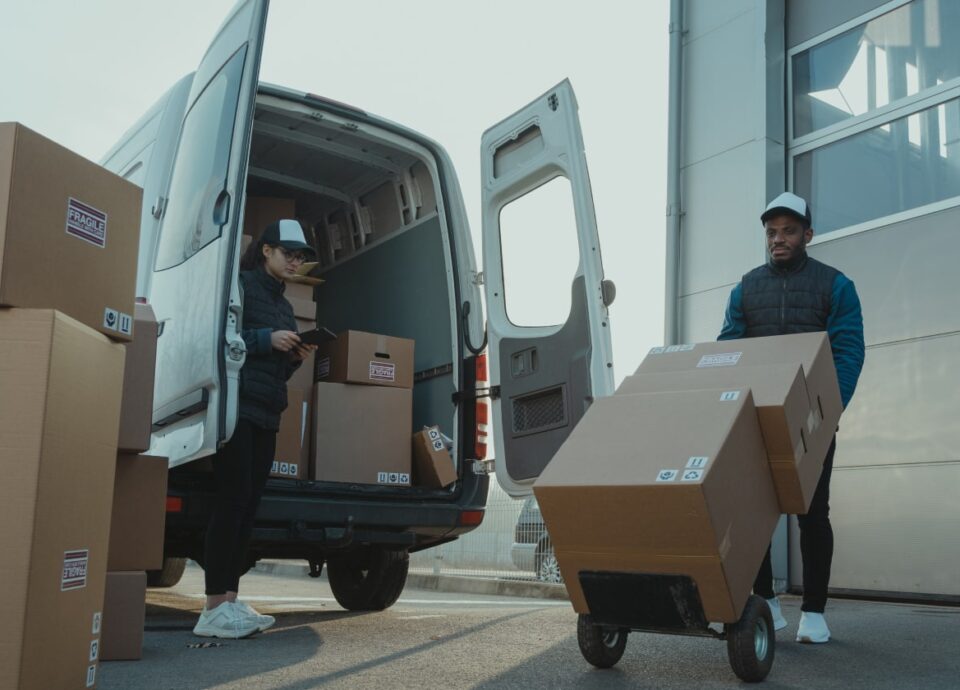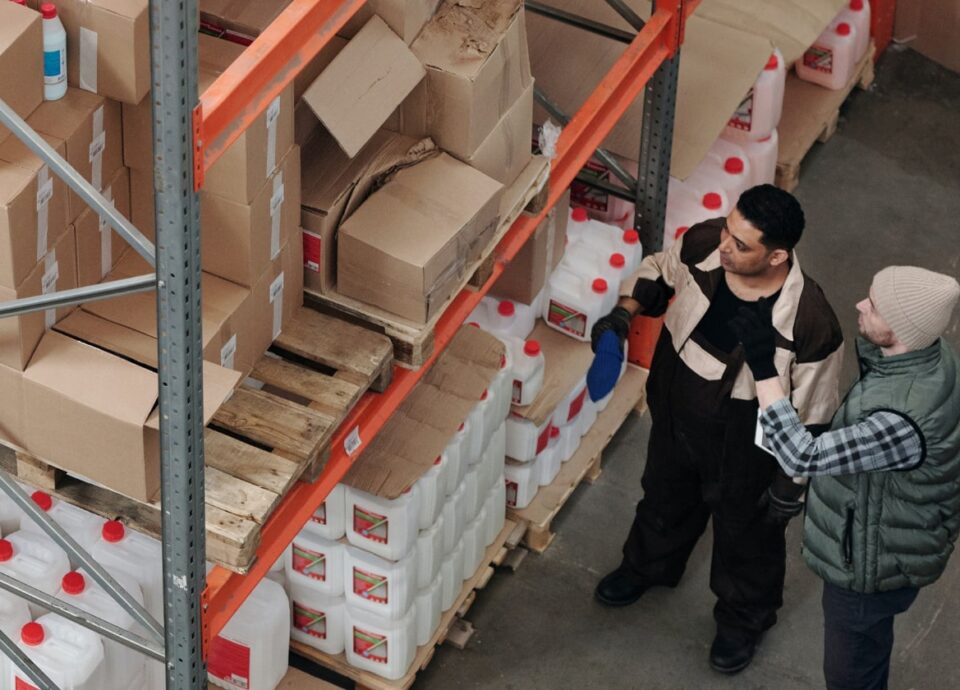


Most delivery failures happen after the hard part is “supposedly” done—after the cargo has arrived at the destination country. That’s because inland transport is often under-planned. Poor dispatch coordination, unclear receiving windows, incomplete delivery addresses, and lack of milestone tracking can turn an otherwise successful shipment into a customer service problem. For businesses moving goods from ports or airports to warehouses, shops, or project sites, inland delivery is the point where reputations are made or damaged.
One common mistake is treating inland transport as a generic service. It isn’t. Every destination has constraints: traffic, delivery appointment rules, warehouse receiving capacity, and sometimes regional border procedures. A strong inland plan considers these realities. It defines who is responsible for pickup timing, what documents the driver must carry, what the delivery proof requirements are, and what happens if a receiving site rejects a delivery due to timing or packaging. When these details are ignored, deliveries fail—not because transport is impossible, but because execution wasn’t designed.
Inland transport is where logistics stops being theory and becomes execution—every small detail matters.
Another major issue is lack of visibility. If your team only learns about delivery problems when the truck arrives late—or not at all—you lose the ability to intervene. Milestone-based tracking doesn’t have to be complicated. Even basic checkpoints like “picked up,” “en route,” “arrived at site,” and “delivered” dramatically improve control and planning. It also reduces disputes between transport partners and receiving sites because the timeline becomes documented.
Finally, successful inland delivery depends on clear communication and realistic scheduling. If you schedule deliveries without confirming receiving availability, you create re-deliveries and extra cost. If you over-compress timelines, you increase risk. The best inland logistics plans are simple, structured, and enforceable—and they treat delivery as a managed process, not a gamble.