

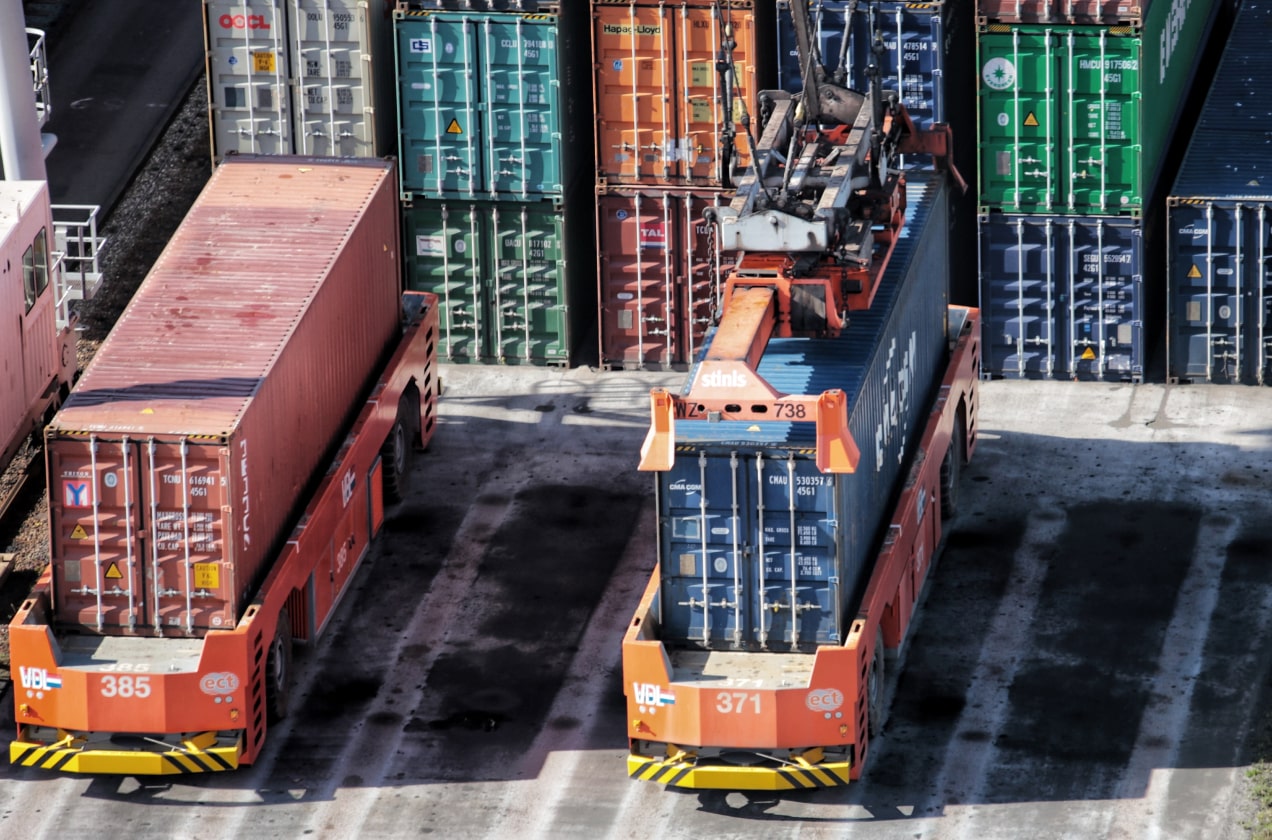
Freight budgets often fail for a simple reason: teams plan for the quoted freight rate but underestimate everything around it. Real shipping costs include port fees, handling charges, clearance-related costs, storage exposure, inland transport, and the financial impact of delays. A shipment can look “affordable” at booking, then become expensive at destination because the timeline slipped or documents required rework. The most common budget killers are demurrage, unexpected storage, urgent trucking, and last-minute changes that could have been prevented with earlier preparation.
Control starts with clarity. Ask for pricing that reflects the real movement, not only the main transport leg. Confirm what’s included and what triggers extra charges. Then build timeline discipline into your process: align cut-off dates, prepare documents early, and coordinate inland delivery before release. Many extra fees happen because shipments are treated like isolated events. When you treat shipping as a repeatable workflow—especially if you import regularly—you reduce surprises, improve predictability, and protect cash flow.
Freight costs don’t explode because shipping is expensive—they explode because planning breaks down at the most expensive points.
Documentation is a major cost driver because it affects time. A container held two extra days is not just “two days late”—it is two days of fees, operational disruption, and delivery rescheduling. The same applies to inland transport. If you wait until release to schedule a truck, you pay premium rates and lose control over delivery windows. If you schedule too early without visibility, you risk idle time charges. The solution is milestone-based planning: know when release is likely, and schedule inland moves within a disciplined window.
If you want a practical benchmark, focus on landed cost per unit, not freight cost alone. When you track total landed cost consistently, you start seeing patterns: where delays repeat, which suppliers create documentation issues, which routes cause congestion risk, and which shipments require earlier booking windows. That visibility is how freight stops being unpredictable and becomes manageable.
2 Comments
Lorem ipsum dolor sit amet consectetur. Orci arcu nibh imperdiet dictum volutpat purus lectus urna volutpat. Nisi faucibu nec scelerisque in ipsum massa.
Lorem ipsum dolor sit amet consectetur. Orci arcu nibh imperdiet