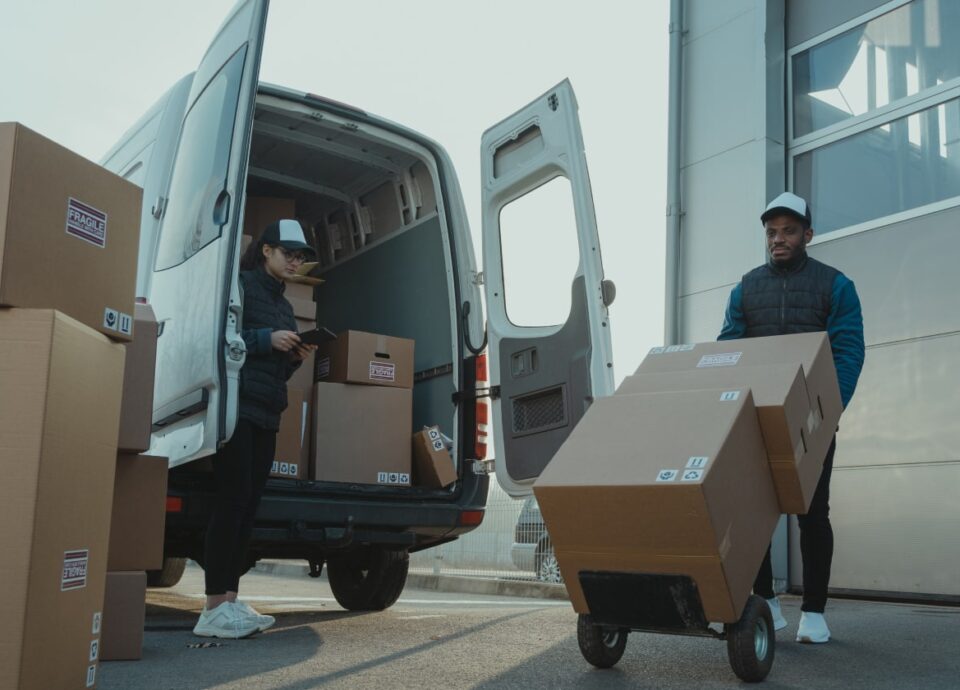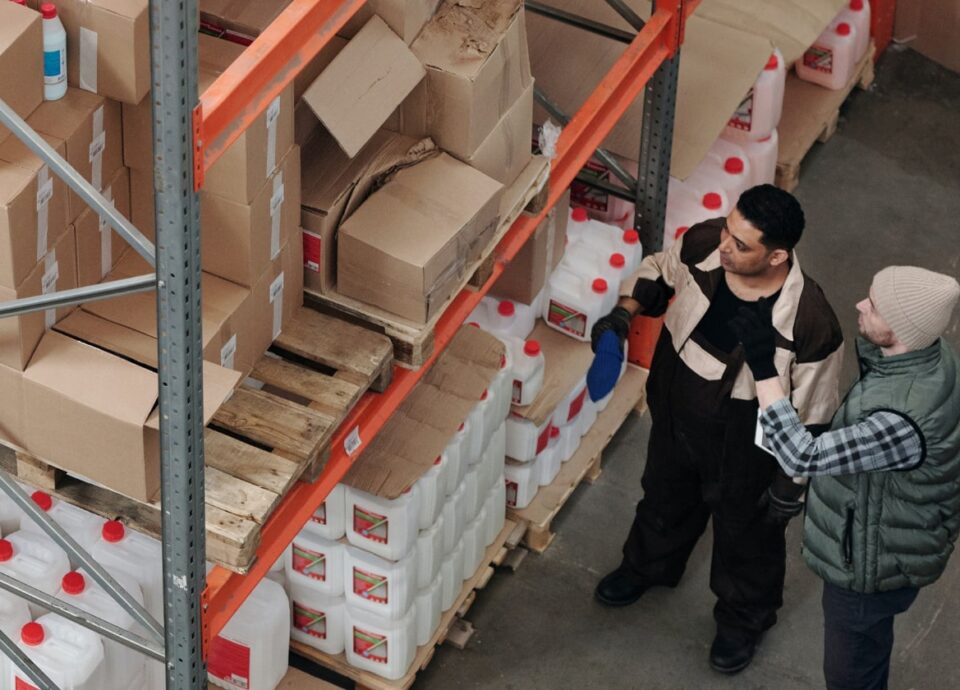


Most businesses make the air vs ocean decision using only one factor: price. That’s understandable, but it’s incomplete. The right choice depends on the operational cost of being late. If a shipment arriving late causes stockouts, missed installation deadlines, lost contracts, or production downtime, then the “cheaper” mode can become the most expensive decision. Air freight buys speed and often reliability, but requires tight execution. Ocean freight buys cost efficiency and scale, but demands planning discipline and tolerance for schedule variability.
Start by classifying your cargo into three buckets: critical, normal, and flexible. Critical items are the ones that block revenue—key parts, fast-selling SKUs, or contract-bound deliveries. Those often justify air freight or a hybrid strategy. Normal items can move by ocean with proper forecasting. Flexible items can be shipped less frequently, consolidated, and optimized for cost. The next step is understanding your timeline realistically. Ocean freight isn’t only “sailing time”—it includes port handling, clearance, and inland delivery. Air freight isn’t only “flight time”—it includes cut-offs, security checks, and airport handling. When you account for the entire door-to-door timeline, the decision becomes clearer and less emotional.
The best shipping decision is the one that protects your business timeline—not the one that looks cheapest on paper.
Hybrid strategies are increasingly common because they reflect real business needs. For example, you can air freight your top-selling SKUs to prevent stockouts while shipping base inventory by ocean to control costs. You can also use air freight to “correct” delays when ocean schedules shift. The key is to plan intentionally rather than reactively. If your entire shipment is always urgent, that’s usually a forecasting issue, not a transport issue. Good logistics partners will help you separate what truly must move fast from what simply needs to move predictably.
Finally, always confirm the documentation requirements early. Nothing wastes air freight money faster than a shipment that lands quickly but sits due to paperwork mistakes. If you choose air, execute it like a premium service: accurate documents, clear consignee details, and a prepared inland plan. If you choose ocean, execute it like a system: consolidation, sailing planning, and early visibility on every milestone.